A fence does more than mark the edge of your property. It has to stand outside through rain, heat, wind, humidity, and changing temperatures. That is why the best fence material for your home is not always the one that looks best in a showroom.
Your local weather should play a big role in your decision. Different materials handle moisture, sunlight, wind, and temperature changes in different ways.
Start With Your Local Weather
Before choosing a fence, think about what your property deals with most often. Do you get heavy rain? Is your yard exposed to strong sun? Do you live near the coast where salty air can cause corrosion? Or do you experience freezing temperatures and repeated freeze-thaw cycles?
Knowing your biggest weather concerns makes it easier to narrow down your options.
Wood for a Natural Look
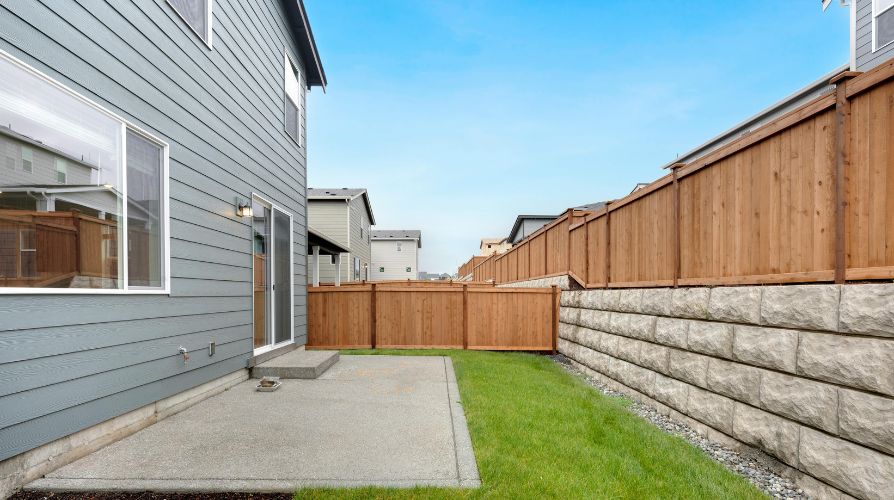
Wood remains a popular choice because it gives a yard a warm, traditional appearance. It can also be painted or stained to match your home.
The downside is that wood needs more care than many other materials. Rain and humidity can lead to rot, mold, and insect damage, while strong sunlight can cause the wood to fade, dry out, and crack. Regular sealing or staining can help protect it.
Wood can work well if you love its natural appearance and are willing to keep up with maintenance. In very wet climates, however, a more moisture-resistant material may be a better fit.
Vinyl for Rainy and Humid Areas
Vinyl fencing is a good choice when you want a clean look without a lot of maintenance. It does not rot or rust, and it does not need regular painting or staining.
This makes vinyl especially appealing in rainy or humid areas. Quality vinyl can also handle outdoor moisture and everyday exposure with relatively little upkeep. However, lower-quality vinyl may fade or become brittle when exposed to intense sunlight or extreme temperatures.
If your area gets a lot of rain and you would rather spend less time maintaining your fence, vinyl is worth considering.
Aluminum for Coastal and Wet Weather
Aluminum is one of the strongest choices for properties exposed to moisture and salty air. Unlike traditional steel or iron, aluminum does not rust in the same way, making it a popular option for coastal areas and other wet environments.
It is also lightweight and requires relatively little maintenance. Aluminum fencing is especially useful when you want an attractive, open design around a yard or pool.
Keep in mind that aluminum fencing usually does not provide the same level of privacy as a solid wood or vinyl fence. It is better suited to boundaries, decorative fencing, and areas where you want to keep the view open.
Composite for a Wood-Like Look
Composite fencing can give you the appearance of wood while reducing some of the maintenance problems associated with natural lumber. It is designed to resist moisture, insects, and outdoor exposure.
This can make composite a good choice for humid climates or homeowners who want a wood-inspired appearance without regular staining and sealing. Some composite products are also designed to resist fading and temperature changes.
Because composite fencing can be heavier than other materials, the posts and framing need to be properly designed for the load. Good installation matters just as much as the material itself.
Think About Wind, Too
Rain and sun are easy to notice, but wind can be just as hard on a fence. A tall privacy fence creates a large surface for wind to push against, so strong posts, proper spacing, and solid installation are important.
In areas that regularly experience strong winds or storms, do not choose a material based on appearance alone. Ask about the fence system, post design, fasteners, and installation methods. A durable material can still fail if the fence is poorly built.
Your Fence Needs More Than the Right Material
Choosing a weather-resistant material is only part of the job. Drainage, post depth, hardware, construction quality, and maintenance can all affect how long a fence lasts.
A fence that is well designed for its environment will generally perform better than one that was chosen simply because it was inexpensive or attractive.
Think about your weather first, then consider the look you want, your budget, and how much maintenance you are willing to handle. The right combination can give you a fence that looks good and continues doing its job for many years.
Choosing With Modern Fence Technologies
When it comes to fencing tools and accessories, Modern Fence Technologies stands out for its quality, durability, and innovation. Whether you’re a DIY enthusiast or a professional, our products are designed to make fencing easier and more efficient.
Explore our full range of tools to make your next fencing project a breeze. With the right tools in hand, you’re ready to build a fence that’s strong, secure, and built to last!