
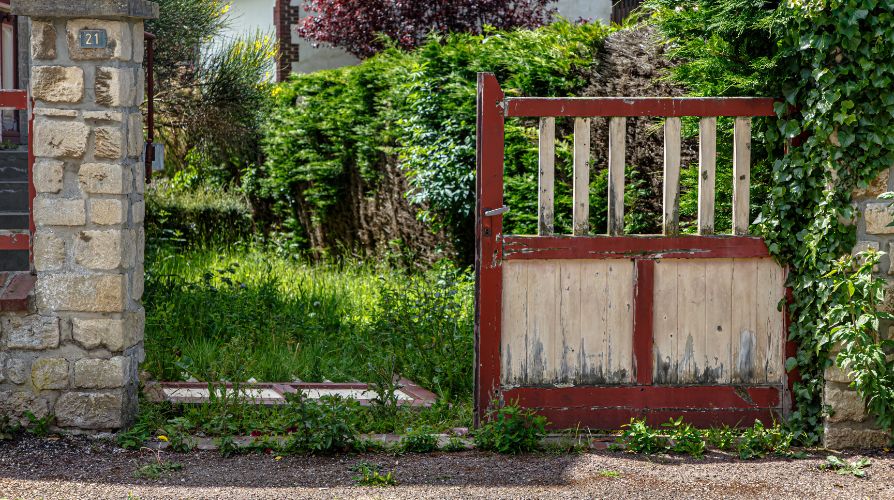
A sagging gate is more than just an eyesore. It can make your gate harder to open and close, cause the latch to stop lining up properly, and put extra stress on the posts and frame. In some cases, a gate that starts sagging can eventually become difficult to use or require costly repairs.
The good news is that choosing the right hinges can help prevent many of these problems. Hinges do more than simply connect a gate to its post. They support the weight of the gate and help it move smoothly every time it opens and closes.
If you are installing a new gate or replacing the hardware on an existing one, understanding how hinges affect gate performance can save you trouble down the road.
Why Gates Sag Over Time
Gate sag usually happens when the gate is not properly supported. This is especially common with wide or heavy gates. Every time the gate opens, closes, or swings in the wind, its hinges carry the load. Over time, weak or poorly fitted hinges may struggle to support that weight.
The gate frame itself can also flex or shift, while the posts may move slightly due to soil conditions, moisture, or an improper installation. When these issues work together, the side of the gate that meets the latch can slowly drop
You may notice that the top corner of the gate is no longer level or that you need to lift the gate slightly to get the latch to line up. These are common signs that the gate is beginning to sag.
Choose Hinges Based on Gate Weight
One of the most important steps in preventing sag is choosing hinges that can handle the gate’s weight. Not all hinges are designed for the same type of gate.
A small garden gate may only need light-duty hinges, while a large steel, wood, or privacy gate may require heavy-duty hardware. Using a hinge that is too small for the job can cause excessive wear and make sagging more likely.
When choosing hinges, consider the full weight of the gate rather than just its size. A gate may look relatively simple but still be surprisingly heavy, especially when it is made from solid wood, steel, or other dense materials.
It is also a good idea to account for everyday use. A gate that is opened dozens of times a day will put more demand on its hinges than one that is only used occasionally.
Use the Right Number of Hinges
The number of hinges matters, too. A common mistake is assuming that two hinges are always enough. While two may work for some smaller gates, larger and heavier gates may need additional support.
Adding a third hinge can help distribute the weight more evenly along the gate frame. For particularly heavy or tall gates, a properly designed hinge system can provide even better support.
The goal is to prevent all the weight from being concentrated in one or two small areas. When the load is distributed properly, the gate is less likely to twist or pull against the hinges and posts.
Install Hinges in the Right Position
Even a high-quality hinge can perform poorly if it is installed incorrectly. Hinge placement affects how the gate carries its weight and how smoothly it swings.
The hinges should be securely attached to strong parts of both the gate frame and the supporting post. Fastening a heavy hinge to a weak section of the frame can allow that area to bend or loosen over time.
Proper alignment is also important. Hinges that are not lined up correctly can cause the gate to bind, drag, or place unnecessary pressure on the hardware.
During installation, make sure the gate is properly supported and positioned before tightening the hinges. Taking the time to get everything aligned can make a major difference in how the gate performs later.
Make Sure the Gate Posts Are Strong
Hinges cannot prevent sag on their own if the gate posts are weak. A heavy gate needs solid support.
If the post moves, leans, or shifts, the gate can appear to sag even when the hinges are working correctly. This is why the post and foundation should be considered part of the overall gate system.
For a new installation, use appropriately sized posts and make sure they are securely set. For an existing gate, check the posts if you notice sagging. If a post is loose or leaning, replacing the hinges alone may not solve the problem.
Consider Adjustable Hinges
Adjustable hinges can make maintenance much easier. Over time, even a well-installed gate may experience small changes because of normal wear, weather, or movement in the surrounding structure.
With adjustable hardware, you may be able to make small corrections without removing the entire gate. This can help keep the gate properly aligned and reduce the chances of minor problems becoming major ones.
Adjustability can be especially useful for larger gates where even a small amount of movement can affect the latch and opening clearance.
Don’t Ignore Early Signs of Sagging
It is much easier to deal with a gate that is beginning to sag than one that has already become badly misaligned.
Pay attention if the gate starts rubbing against the ground, dragging when you open it, or becoming harder to latch. You may also notice gaps changing around the gate or hinges that look loose or strained.
Addressing these signs early can help protect the gate, hinges, posts, and surrounding fence. In some cases, a simple hinge adjustment or hardware upgrade may be enough. If the structure has already shifted, however, a more thorough repair may be necessary.
Choose Hardware Designed for the Job
The best way to prevent gate sag is to look at the entire gate system rather than treating the hinges as an afterthought. Gate size, weight, frame construction, post strength, hinge type, and installation all work together.
Quality hinges can provide the support a gate needs while making everyday operation smoother. Choosing hardware designed specifically for the application can also reduce maintenance and help extend the life of the gate.
If you are unsure which hinge is right for your gate, it is worth getting advice before buying or installing hardware. A proper assessment can help you avoid choosing a hinge that is underpowered for the job.
Get the Right Gate Hardware From Modern Fence Technologies
A well-supported gate should open and close smoothly without dragging, twisting, or constantly needing adjustment. Choosing the right hinges is one of the simplest ways to help prevent gate sag and protect your investment.
For high-quality fence and gate hardware you can trust, Modern Fence Technologies offers a wide selection of durable products designed to meet the needs of professional contractors, businesses, and homeowners. Whether you are building a new gate or upgrading an existing one, Modern Fence Technologies provides reliable hardware solutions that deliver long-lasting performance.