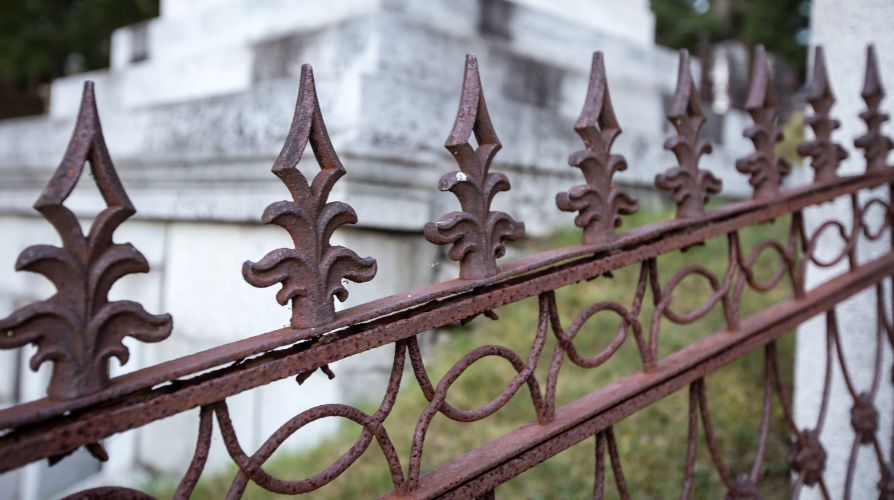
Fence hardware may be small, but it plays an important role in keeping a fence strong, secure, and functional. Screws, bolts, hinges, brackets, latches, and other metal components are exposed to rain, humidity, dirt, sunlight, and changing temperatures throughout the year. Without proper care, this exposure can eventually lead to rust and corrosion.
The good news is that protecting fence hardware from rust does not have to be complicated. Choosing the right materials, keeping hardware clean, checking for early signs of damage, and performing simple maintenance can help extend the life of your fence.
Whether you are maintaining a residential fence, commercial property, or larger security fence, year-round attention to the hardware can prevent small corrosion problems from turning into costly repairs.
Why Does Fence Hardware Rust and Corrode?
Rust occurs when iron or steel reacts with moisture and oxygen. Since fence hardware is installed outdoors, it is naturally exposed to conditions that can encourage rust.
Rain, morning dew, humidity, and irrigation systems can leave moisture on screws, bolts, hinges, and brackets. Dirt and leaves can make the situation worse by holding moisture against the surface of the metal.
Salt can also speed up corrosion. Properties near the coast may be exposed to salty air, while fences in colder areas may come into contact with road salt. These conditions can cause metal hardware to deteriorate more quickly.
Another potential issue is contact between different types of metal. When dissimilar metals come into contact in the presence of moisture, galvanic corrosion can occur. Choosing compatible hardware and following manufacturer recommendations can help reduce this risk.
Choose Rust-Resistant Fence Hardware
One of the best ways to prevent fence hardware corrosion is to start with materials designed for outdoor use.
Uncoated steel hardware can be vulnerable to moisture and may develop rust relatively quickly in harsh environments. Galvanized hardware is a popular choice for outdoor fencing because a zinc coating helps protect the steel underneath.
Stainless steel is another option when high corrosion resistance is important. It can be particularly useful in areas that experience high humidity, frequent rain, or exposure to salt.
The best choice depends on the fence, the local environment, and how much exposure the hardware will receive. When installing or replacing fence hardware, consider the conditions it will face throughout the year rather than choosing materials based only on initial cost.
Keep Fence Hardware Clean
Regular cleaning is one of the easiest ways to help prevent rust on fence hardware. Dirt, dust, leaves, and salt can build up around screws, hinges, brackets, and latches. When these materials stay wet, they can contribute to corrosion.
For routine cleaning, clean water and mild soap are often enough. Use a soft brush or cloth to remove dirt without unnecessarily damaging protective coatings.
After cleaning, allow the hardware to dry completely. Pay special attention to areas where water can collect, including hinge joints, connection points, and spaces around brackets.
Cleaning does not need to be an intensive job. Adding the fence to your regular property maintenance routine can help keep hardware in better condition throughout the year.
Inspect Fence Hardware Regularly
Regular inspections can help you identify fence hardware corrosion before it becomes a serious problem. Take a few minutes several times a year to look closely at screws, bolts, hinges, brackets, latches, and other metal components.
Look for orange or brown rust spots, peeling or damaged coatings, discoloration, pitting, and loose fasteners. Also check whether gates open and close properly. A hinge that squeaks, sticks, or feels unusually stiff may need cleaning, lubrication, adjustment, or replacement.
Spring is a good time to inspect a fence after months of wet or cold weather. Summer inspections can identify problems caused by heat, irrigation, and heavy storms. Before winter, check that hardware is secure and address visible corrosion before harsh weather arrives.
Protect Hinges and Moving Hardware
Gate hinges and latches need special attention because they are used frequently. Regular movement can wear down protective coatings, while dirt and moisture can collect around moving components.
Keep moving hardware clean and use an appropriate lubricant when necessary. Proper lubrication can help reduce friction and keep hinges and latches operating smoothly.
Do not ignore a gate that becomes difficult to open or close. Continued use of a stiff or damaged hinge can put additional stress on other fence components. Fixing the issue early can help prevent more extensive damage.
Repair Small Rust Problems Early
Small rust spots should not be ignored. Surface rust may be manageable when it is caught early, but corrosion can continue spreading if the underlying metal remains exposed to moisture.
Depending on the type of hardware and the extent of the rust, light surface corrosion may be removed with an appropriate brush or abrasive. A suitable protective coating can then help protect the exposed area.
However, severely corroded hardware may need to be replaced. If a bolt, bracket, hinge, or fastener has deep pitting or has lost structural strength, cleaning it may not be enough.
Replacing damaged fence hardware early can be much easier and less expensive than dealing with a failed gate or weakened fence connection later.
Keep Sprinklers Away From Fence Hardware
Automatic sprinklers can be another source of unnecessary moisture. If sprinkler heads repeatedly spray water directly onto a fence, the constant wetting and drying can contribute to corrosion over time.
Check the direction of your sprinkler system and adjust the heads if they are spraying the fence unnecessarily. This is especially important around gate hardware and other metal components.
You should also watch for standing water around fence posts and hardware. Improving drainage and keeping the surrounding area clear can help metal surfaces dry more quickly after rain or irrigation.
Consider Your Local Environment
Not every fence faces the same corrosion risks. The local environment should influence how you protect your fence hardware.
In coastal areas, salty air can accelerate corrosion, so hardware may require more frequent cleaning and inspection. In areas with high humidity or frequent rainfall, keeping metal components dry when possible is especially important.
Fences near swimming pools can also be exposed to moisture and chemicals. Meanwhile, properties in areas with snowy or icy winters may have additional exposure to road salt.
Understanding the conditions around your fence can help you choose appropriate materials and create a maintenance routine that fits your property.
Use Compatible Replacement Hardware
When a fence component needs to be replaced, avoid choosing hardware based only on size or price. The material and finish also matter.
Using compatible materials can help reduce corrosion problems. If different metals need to be used together, follow the manufacturer’s recommendations for installation and protection.
It is also important to choose outdoor-rated hardware when replacing screws, bolts, hinges, or brackets. Hardware that works well indoors may not provide the protection needed for year-round outdoor exposure.
Make Rust Prevention Part of Fence Maintenance
Protecting fence hardware from rust and corrosion is easier when maintenance becomes a regular habit. You do not need to spend hours maintaining your fence. A few simple checks throughout the year can help you catch problems early.
Clean away dirt and salt, inspect hardware for rust, keep moving parts lubricated, adjust sprinklers that spray the fence, and replace badly corroded components when necessary.
Most importantly, do not wait until rust has seriously weakened the hardware before taking action. Early maintenance can help protect the fence’s appearance, strength, and overall performance.
Choosing quality materials at the beginning also makes a difference. With the right hardware and consistent care, your fence can remain dependable through rain, humidity, heat, and seasonal changes.
Quality Fence Hardware From Modern Fence Technologies
When durability and long-term performance matter, choosing the right fence hardware is an important part of the installation. Modern Fence Technologies offers fencing solutions and hardware designed to support reliable, long-lasting fence systems.
Whether you are installing a new fence or maintaining an existing one, paying attention to hardware and corrosion protection can help you get more value and performance from your fencing system for years to come.
If you’re a professional contractor, you can purchase these American-made products wholesale directly from us. If you're a DIY enthusiast, we invite you to ask your retailer for products from Modern Fence Technologies.