Building your own fence can be a fun and rewarding home improvement project. It gives you the chance to save on labor costs while creating a fence that fits your property and personal style. Whether you want more privacy, better security, or a way to improve your home’s appearance, choosing the right DIY fencing materials is one of the most important steps.
Many people focus only on the installation process, but buying the right materials makes a big difference in the final result. Good planning can help you avoid costly mistakes, reduce waste, and build a fence that lasts for many years. Before you head to the store or place an order online, here are several things you should know.
Think About Why You Need a Fence
Before buying any materials, take a moment to decide what you want your fence to do. Every fence serves a different purpose, and knowing yours will help you choose the right products.
If your goal is privacy, you’ll likely need taller, solid fence panels. If you want to keep children or pets safely inside your yard, you’ll need a fence that is strong and secure. Some homeowners simply want to improve their landscaping with a decorative fence that adds curb appeal.
Understanding the main purpose of your fence will make it easier to choose the right material, height, and style.
Choose the Right Material for Your Needs
There are several fencing materials available, and each has its own strengths. The best choice depends on your budget, your local climate, and how much maintenance you’re willing to do.
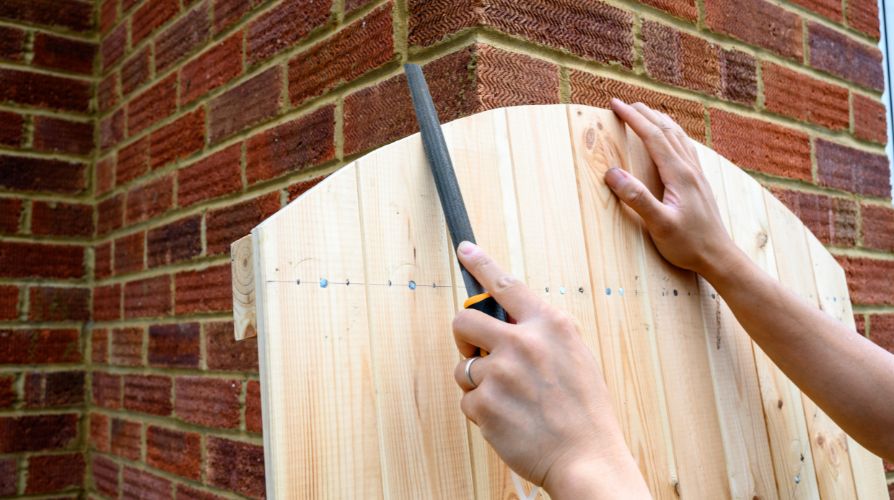
Wood remains one of the most popular options because of its natural appearance and classic look. However, it usually requires regular painting, staining, or sealing to protect it from moisture and weather damage.
Vinyl fencing is another popular choice because it is durable and easy to maintain. It does not rot, and it usually only needs occasional cleaning to keep it looking good.
Metal fencing, including aluminum and steel, offers excellent strength and security. It is also a great choice for homeowners who want a modern appearance with long-lasting performance.
Composite fencing combines recycled wood fibers and plastic materials. It provides the appearance of wood while requiring less maintenance, making it a practical option for many DIY projects.
Measure Your Property Carefully
Accurate measurements are essential before buying fencing materials. Measuring carefully helps you purchase the right amount of materials and prevents unnecessary trips to the store.
Walk around your property and measure the total length of the area where the fence will be installed. Be sure to include corners, gates, and any uneven sections of land. If your yard has slopes or changes in elevation, consider how those areas will affect your fence design.
Taking the time to measure properly can help you stay within your budget and avoid delays during installation.
Check Local Rules Before You Buy
Not every neighborhood has the same fencing rules. Before purchasing materials, check with your local government or homeowners association to learn about any regulations.
Some communities limit fence height, require certain materials, or have rules about how close a fence can be to property lines. Ignoring these requirements could result in fines or force you to remove and rebuild part of your fence.
It is also a good idea to confirm your property boundaries before installation. Knowing exactly where your property begins and ends helps prevent disagreements with neighbors.
Don’t Overlook the Small Parts
Fence panels and posts are only part of the project. Many DIY builders forget to include the smaller items needed to complete the installation.
Depending on your fence design, you may need brackets, screws, nails, hinges, latches, post caps, concrete for setting posts, and gate hardware. You should also make sure you have the proper tools before you begin.
Buying everything at the same time helps keep your project moving without unnecessary interruptions.
Think About Future Maintenance
Every fencing material requires a different level of care. While some materials need regular maintenance, others require very little attention after installation.
Wood fences often need staining or sealing every few years to protect them from weather and insects. Vinyl and aluminum fences generally require only occasional cleaning with water and mild soap.
Thinking about long-term maintenance before buying materials can save you time and money over the life of your fence.
Focus on Quality Instead of Price Alone
It is natural to compare prices when shopping for DIY fencing materials, but choosing the cheapest option is not always the best decision.
Higher-quality materials are often stronger, more durable, and better able to withstand changing weather conditions. While they may cost more initially, they can reduce repair and replacement costs over time.
A well-built fence made from quality materials is an investment that adds value to your property and provides years of reliable performance.
Set a Realistic Budget
A successful DIY fencing project starts with careful budgeting. Besides the fencing materials themselves, remember to include the cost of posts, hardware, gates, concrete, fasteners, tools, delivery fees, and any extra supplies you may need.
Planning your budget in advance helps you avoid unexpected expenses and allows you to complete your project without unnecessary stress.
Choosing the Right DIY Fencing Materials
Buying DIY fencing materials involves more than choosing a style that looks good. Taking these simple steps before you buy will help you build a fence that is attractive, durable, and built to last.
If you’re looking for dependable fencing products for your next DIY project, Modern Fence Technologies offers quality fencing materials and solutions to help homeowners complete their fencing projects with confidence.
Explore our full range of tools to make your next fencing project a breeze. With the right tools in hand, you’re ready to build a fence that’s strong, secure, and built to last!