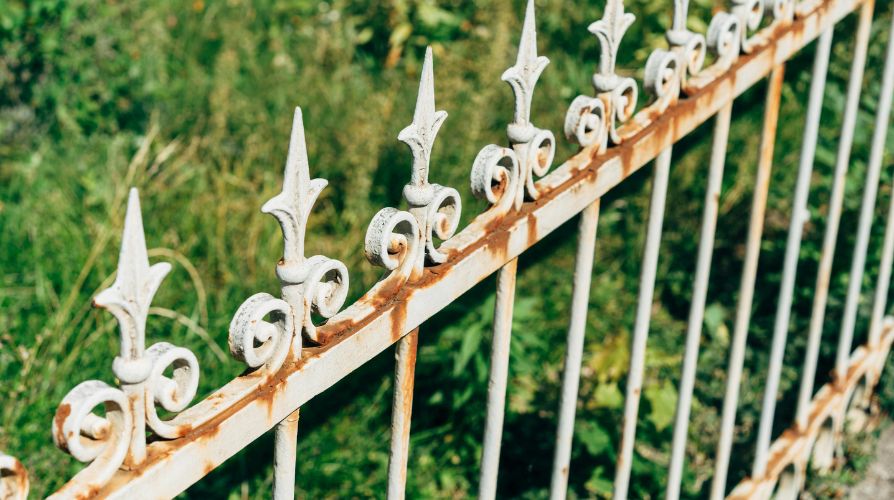
Metal fences are known for their strength, security, and long lifespan. They are commonly used around homes, businesses, schools, and industrial properties because they can handle different weather conditions while maintaining a clean and professional appearance. However, even the strongest metal fence can develop corrosion over time if it is not properly maintained.
Corrosion is one of the most common problems that affects metal fences. It happens when metal reacts with moisture, oxygen, and other outdoor elements. Over time, this reaction creates rust, weakens the fence structure, and damages its appearance. The good news is that corrosion can be prevented with the right materials, regular maintenance, and proper protection methods.
Understanding how corrosion works and taking simple preventive steps can help extend the life of your fence and reduce costly repairs in the future.
Understanding Why Corrosion Happens
Metal fences spend their entire life outdoors, which means they are constantly exposed to environmental conditions. Rain, humidity, sunlight, dirt, and even chemicals from nearby plants or cleaning products can slowly damage metal surfaces. Once moisture reaches the metal, oxidation begins, leading to rust and corrosion.
Certain parts of a fence are more vulnerable than others. Areas where water collects, scratched surfaces, welded joints, and hardware connections are usually the first places where corrosion appears. If these small problem areas are ignored, rust can spread quickly across the fence.
Environmental conditions also play a major role. Coastal areas with salty air often experience faster corrosion because salt speeds up the rusting process. Industrial zones with pollution and regions with heavy rainfall can also increase the risk of damage to metal fence parts.
Choosing the Right Fence Material
One of the best ways to protect a fence from corrosion is to start with corrosion-resistant materials. Different metals react differently to outdoor exposure, so choosing the right option can significantly improve durability.
Galvanized steel is a popular choice because it includes a protective zinc coating that shields the metal from moisture. This coating helps prevent rust and extends the lifespan of the fence. Aluminum is another excellent option because it naturally resists rust and performs well in humid environments. Stainless steel is also highly resistant to corrosion due to its chromium content, making it ideal for long-term outdoor use.
Modern metal fences often include powder-coated finishes that provide an extra protective barrier. This finish helps prevent moisture from reaching the metal while also improving the overall appearance of the fence.
Investing in high-quality materials from the beginning can save property owners time, money, and maintenance costs later on.
The Importance of Protective Coatings
Protective coatings are essential for preventing corrosion because they create a barrier between the metal and the environment. Without this protection, water and oxygen can directly contact the metal surface and begin the rusting process.
Paint is one of the most common protective solutions for metal fences. A high-quality exterior paint designed for metal surfaces helps seal the fence against moisture. Before painting, it is important to clean the surface thoroughly and remove any rust or dirt. Applying a primer before the final coat also improves protection and helps the paint last longer.
Powder coating is another highly effective option. Unlike regular paint, powder coating forms a thicker and more durable protective layer. It resists chipping, cracking, and fading while offering excellent corrosion resistance.
Rust-proof sprays and sealants can also be used on vulnerable areas such as corners, joints, screws, and hinges. These products provide additional protection in places where water is more likely to collect.
Keeping the Fence Clean
Many people underestimate the importance of regular cleaning when it comes to preventing corrosion. Dirt, dust, leaves, and moisture trapped on the fence surface can slowly damage the protective coating and create ideal conditions for rust.
Cleaning the fence every few months helps remove harmful buildup and keeps the protective finish in good condition. Mild soap and water are usually enough to clean most metal fences. A soft brush or cloth can help remove dirt without scratching the surface.
Fences located near the ocean or in heavily polluted areas may require more frequent cleaning because salt and airborne chemicals can accelerate corrosion. Regular washing helps remove these harmful particles before they cause damage.
Keeping plants and bushes trimmed away from the fence is also important because trapped moisture from vegetation can contribute to rust formation.
Inspecting for Early Signs of Damage
Routine inspections are one of the easiest ways to prevent serious corrosion problems. Small rust spots and minor scratches can often be repaired quickly before they spread to larger areas.
During inspections, look closely for peeling paint, bubbling coatings, rust stains, loose hardware, or areas where water tends to collect. Fence gates and hinges should also be checked because moving parts often experience more wear and tear.
If rust is discovered, the damaged area should be cleaned immediately. Sanding away the rust, applying primer, and repainting the surface can stop corrosion from spreading further. Quick repairs help maintain both the appearance and structural integrity of the fence.
Preventing Water Accumulation
Standing water is one of the biggest threats to metal fences. When water remains on metal surfaces for long periods, corrosion develops much faster. Proper drainage around the fence is essential for long-term protection.
Fence posts should allow water to drain properly instead of trapping moisture inside. Sprinklers should also be adjusted so they do not constantly spray the fence with water. Wet leaves, soil, and debris near the bottom of the fence should be removed regularly to reduce moisture buildup.
Simple maintenance practices like these can significantly reduce the risk of corrosion over time.
Protecting Fence Hardware
Fence hardware such as bolts, screws, hinges, and brackets often corrodes faster than larger fence panels because these smaller parts are more exposed to moisture and movement.
Using stainless steel or galvanized hardware helps improve corrosion resistance. Applying lubricants or anti-rust sprays to hinges and moving parts also helps protect against moisture while keeping gates operating smoothly.
Replacing worn or damaged hardware early can prevent rust from spreading to nearby metal surfaces.
Long-Term Protection for Your Metal Fence
Protecting metal fence parts from corrosion is all about consistent care and prevention. Choosing corrosion-resistant materials, applying protective coatings, cleaning the fence regularly, and repairing small issues early can greatly extend the life of the fence.
A well-maintained metal fence not only improves the appearance of a property but also provides long-lasting security and durability. With proper maintenance, metal fences can remain strong and visually appealing for many years despite constant outdoor exposure.
If you’re looking for quality fencing materials and reliable accessories, Modern Fence Technologies has everything you need to build and maintain a fence that lasts.
If you’re a professional contractor, you can purchase these American-made products wholesale directly from us. If you're a DIY enthusiast, we invite you to ask your retailer for products from Modern Fence Technologies.